.png)





SEO is the process of making a website more visible and higher up in the list of search engine results pages(SERPs).
In today digital age, SEO has become an important aspect of online marketing for businesses of all sizes.
It helps businesses attract more organic traffic to their website, improve their online visibility, and ultimately generate more leads and sales.
In this blog, we will discuss the basics of SEO, its benefits, and some best practices for optimizing your website for search engines.
Basics Of SEO
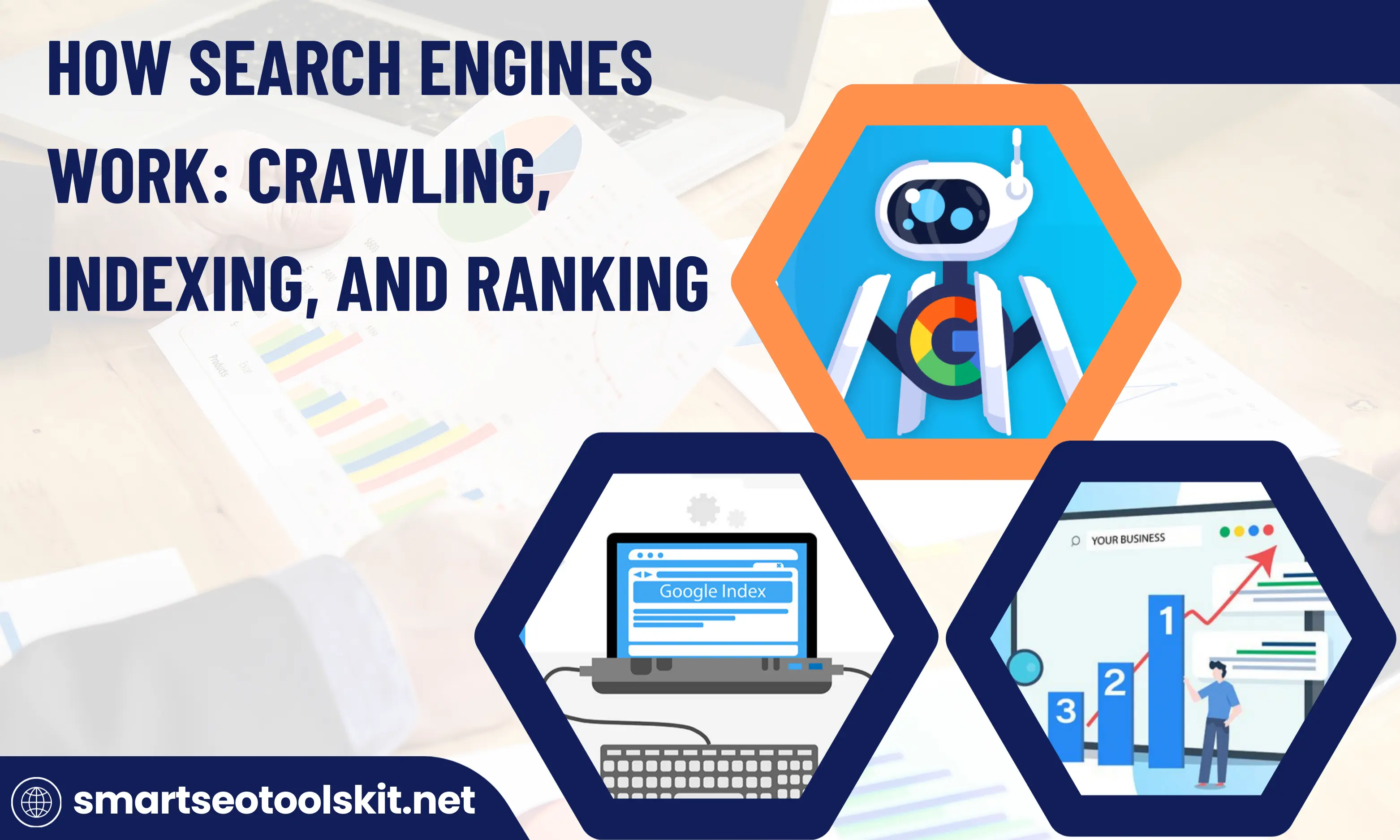
Search engines use complex algorithms to crawl and index web pages and these algorithms consider various factors to determine the ranking of a web page.
While the algorithms are constantly evolving, there are some fundamental elements that remain important for SEO.
These elements include:
- Keywords: Keywords are the words and phrases people type into search engines when they want to find something on the internet. To find the best words for your website, it is important to search carefully for the words that people are most likely to use when looking for the things you offer.
- Content: The quality and relevance of the content on a web page is important for SEO. When creating content, it is important to make sure that it is not copied from somewhere else, has useful information, and is interesting to read.
- Links: Links to and from a web page are important for SEO. Internal links within a website can help search engines understand the structure of the website, while external links from other websites can help improve the authority and credibility of the web page.
- Website Structure: The structure and organization of a website can affect its visibility and ranking on search engines. A well-organized website with clear navigation can help search engines crawl and index the website more efficiently.
Benefits of SEO
Optimizing your website for search engines can provide a number of benefits for your business, including:
- Increased visibility: By improving your website ranking on search engines, you can increase your website visibility and attract more organic traffic.
- Cost-effective: SEO is a cost-effective way to attract organic traffic to your website. While it may take some time and effort to see results, SEO can provide long-term benefits for your business.
- Improved user experience: Optimizing your website for search engines can also improve the user experience on your website. A well-organized website with relevant content and clear navigation can help users find the information they need more easily.
- Competitive advantage: By optimizing your website for search engines, you can gain a competitive advantage over other businesses in your industry. A higher ranking on search engines can make your website more visible and attractive to potential customers.
Best practices for SEO
To optimize your website for search engines, there are some best practices that you should follow. These include:
- Conduct thorough keyword research: Keyword research is an important aspect of SEO. It helps you determine the most relevant and effective keywords for your website.
- Create quality content: The content on your website should be unique, informative, and engaging. It should also include relevant keywords to help improve its ranking on search engines.
- Use relevant meta tags: Meta tags, such as title tags and meta descriptions, provide information about your web page to search engines. Make sure to use relevant and descriptive meta tags to help improve your website visibility and ranking.
- Use internal and external links: Internal links within your website can help search engines understand the structure of your website, while external links from other websites can help improve the authority and credibility of your web page.
- Use responsive design: With the increasing use of mobile devices, having a responsive website design is important for SEO. A responsive design ensures that your website is easily accessible and usable on all devices.
- Optimize images: Optimizing your website images, such as using alt tags and reducing file size, can help improve your website visibility and ranking on search engines.
- Improve website loading speed: Website loading speed is an important factor for both user experience and SEO. A slow-loading website can negatively impact your website ranking on search engines and lead to a higher bounce rate. You can optimize images, use caching, and choose a reliable hosting provider to improve website loading speed.
- Monitor and analyze website performance: It is important to monitor and analyze your website performance to identify areas for improvement. You can use tools such as Google Analytics to track website traffic, user behavior, and other metrics that can help you optimize your website for search engines.
In addition to these best practices, it is important to stay up-to-date with the latest trends and updates in SEO.
Search engine rules keep changing, so something that works well now might not work well later.
Therefore, it is important to keep up with industry news and updates to ensure that your website stays optimized for search engines.
Conclusion of the Blog
In today digital age, SEO has become an essential aspect of online marketing for businesses of all sizes.
If you make your website better for search engines, more people will see it when they look for things online.
This can bring in more visitors, which can lead to more sales and business opportunities.
To optimize your website for search engines, you should follow best practices such as conducting thorough keyword research, creating quality content, using relevant meta tags, and optimizing website loading speed.
By staying up-to-date with the latest trends and updates in SEO, you can ensure that your website stays optimized for search engines and continues to provide long-term benefits for your business.
Frequently Asked Questions (FAQs)
Q1: What is SEO and why does it matter?
SEO (Search Engine Optimization) is the practice of improving your site's visibility and driving more organic traffic from search engines. It helps users and bots better understand your content and can boost rankings, conversions, and brand awareness
Q2: How do search engines discover and rank pages?
Search engines use crawlers to explore and index your site. By improving factors like site structure, meta tags, sitemaps, and internal linking, you make it easier for them to understand and rank your content.
Q3: How do you optimize on‑page SEO in 2025?
Focus on clear title tags, meta descriptions, headings, and URLs. Ensure helpful, comprehensive content, mobile/voice optimization, strong Core Web Vitals, schema markup, and strategic internal linking.
Q4: What role does content quality and expertise play in SEO?
Google ranks content higher when it demonstrates E‑E‑A‑T—Experience, Expertise, Authoritativeness, and Trustworthiness. Use original research, expert insights, and information gain to stand out in the competition.
Q5: How has AI and generative search changed SEO?
With more users interacting via AI tools, SEO now includes strategies like generative engine optimization (GEO) and structured machine-readable data (e.g., llms.txt and schema). Fast-loading, conversational content is essential for both human and AI engines.