.png)
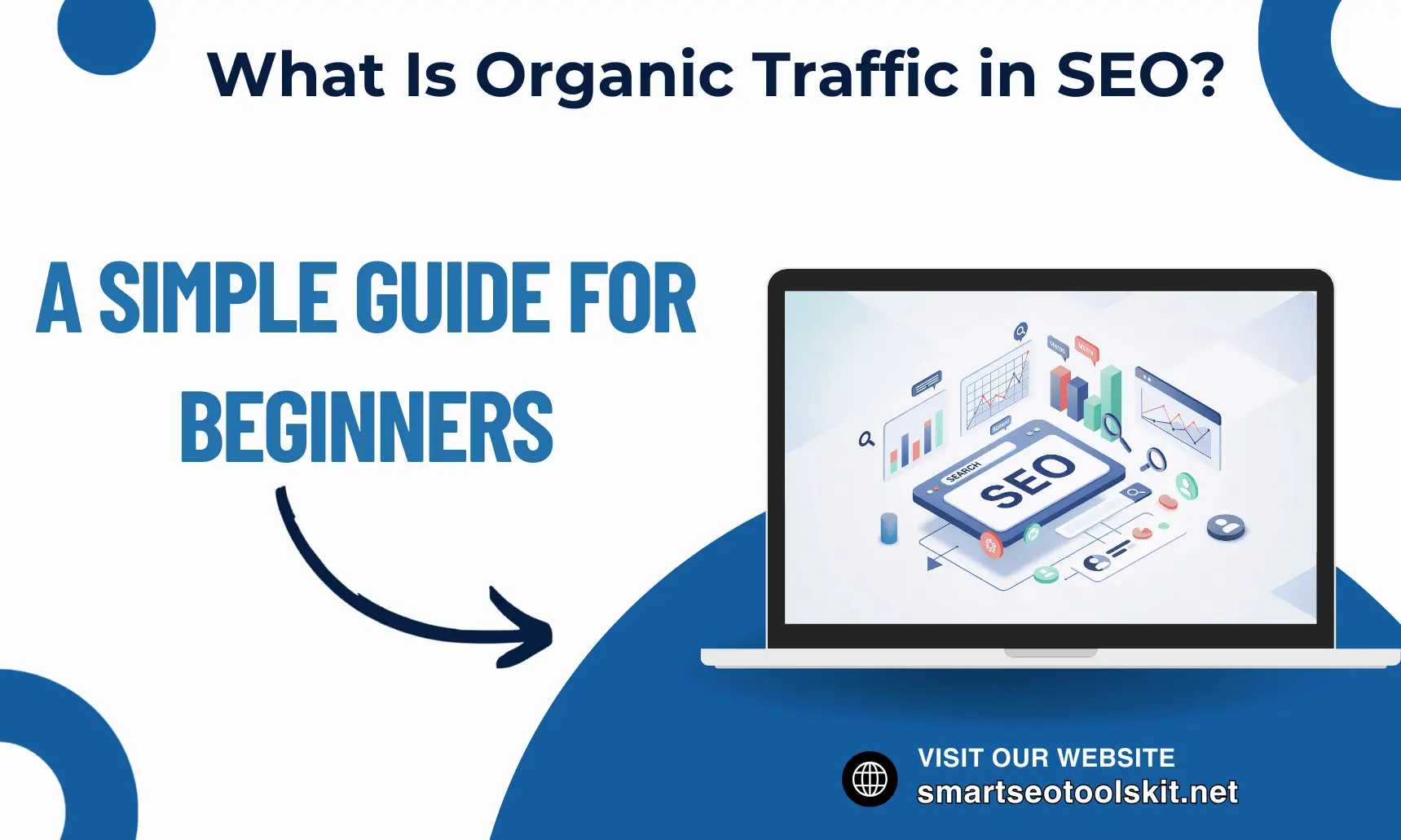

When you start a blog or a business website, everyone tells you that you need "traffic." But not all visitors are created equal. You might see people clicking on ads, coming from a Facebook post, or typing your URL directly into their browser. However, there is one type of visitor that every website owner dreams of: the organic visitor.
If you have ever wondered, "How do I get my website to show up on Google for free?" you are asking about organic traffic. In this guide, we will break down exactly what organic search is, why it matters more than ever in 2026, and how you can start attracting these visitors without spending a dime on advertising.
What Is Organic Search in SEO? The Simple Definition
In plain English, organic traffic refers to the visitors who land on your website as a result of unpaid search results. When a user types a query into a search engine like Google or Bing, they receive a list of results. Some of those results are labeled as "Sponsored" or "Ads"—those are paid traffic. Everything else below or around those ads is organic.
Organic traffic is the backbone of Search Engine Optimization (SEO). It is earned, not bought. When your site appears at the top of the Search Engine Results Page (SERP) because Google thinks your content is the best answer to a user's question, that is organic success.
Organic Traffic vs Paid Traffic: Which is Better?
This is the ultimate debate for beginners. Paid traffic (often called PPC or Pay-Per-Click) is like a faucet. You turn it on by paying money, and the visitors start flowing immediately. The moment you stop paying, the faucet runs dry.
Organic traffic, on the other hand, is like planting a fruit tree. It takes time to grow. You have to nurture the soil, prune the branches, and wait for the roots to take hold. But once that tree matures, it provides fruit (visitors) year after year without you having to pay for every single apple.
The Benefits of Organic Traffic:
-
Cost-Effectiveness: You don't pay for clicks.
-
Trust and Credibility: Users often skip ads because they trust organic results more.
-
Long-Term Sustainability: High-quality content can rank for years.
-
Higher ROI: While it takes effort, the long-term return on investment usually beats paid ads.
How Search Engines Deliver Organic Visitors
To understand how to get this traffic, you first need to understand the mechanics behind the screen. Search engines don't just "find" your website by accident. They use complex software to map out the entire internet.
Google uses "bots" or "spiders" to visit pages. This process involves three main steps:
-
Crawling: Finding your pages.
-
Indexing: Storing your pages in a giant digital library.
-
Ranking: Deciding which page is the best fit for a specific search query.
If you want an in-depth look into this technical side, check out our guide on How Search Engines Work: Crawling, Indexing & Ranking. Understanding this foundation is the first step toward mastering SEO for beginners in 2026.
Why Is My Organic Traffic Dropping? Understanding Modern Search
In 2026, the search landscape has changed. You might notice that even if you rank #1, your traffic isn't as high as it used to be. This is often due to Zero-click searches. This happens when Google provides the answer directly on the search page (like a weather report or a quick definition), so the user doesn't need to click on any website.
Additionally, AI Overviews (SGE) now summarize information at the very top of the page. To survive in this environment, your content needs to be more than just a dictionary definition. You need to provide unique value, personal experience, and deep insights that an AI summary can’t replicate.
If you see a decline, it could also be a sign that your site is lacking Topical Authority. Google no longer just looks for keywords; it looks for experts. If you write about "Coffee" one day and "Crypto" the next, Google won't trust you as an authority on either.
The Core Pillars of Increasing Organic Search Traffic
If you are ready to grow your numbers, you need to focus on four main areas. Think of these as the four legs of a table. If one is weak, the whole thing wobbles.

1. High-Quality Content and User Intent
The biggest mistake beginners make is writing for search engines instead of humans. You must understand User Intent. Before you write a single word, ask yourself: What is the person typing this query actually looking for?
-
Informational Intent: They want to learn (e.g., "What is organic traffic?").
-
Transactional Intent: They want to buy (e.g., "Best SEO tools for sale").
If you write a sales page for an informational keyword, you will never rank. Google knows the user wants to learn, not buy.
2. Keyword Research
You can't just guess what people are searching for. You need to use Keyword Research Checklist + On-Page Optimization Guide for 2025 to find phrases that have a high search volume but manageable competition.
For beginners, I always recommend targeting "Long-tail keywords." These are longer, more specific phrases like "Simple SEO tips for new bloggers" instead of just "SEO." They are much easier to rank for and bring in more qualified visitors.
3. On-Page Optimization
This is about making your page readable for both humans and bots. It includes:
-
Using your primary keyword in the H1 tag (the title).
-
Optimizing your Meta Description to encourage clicks.
-
Using Internal Links to keep users on your site longer.
-
Ensuring your Click-through rate (CTR) is high by writing catchy, honest headlines.
4. Technical SEO and Backlinks
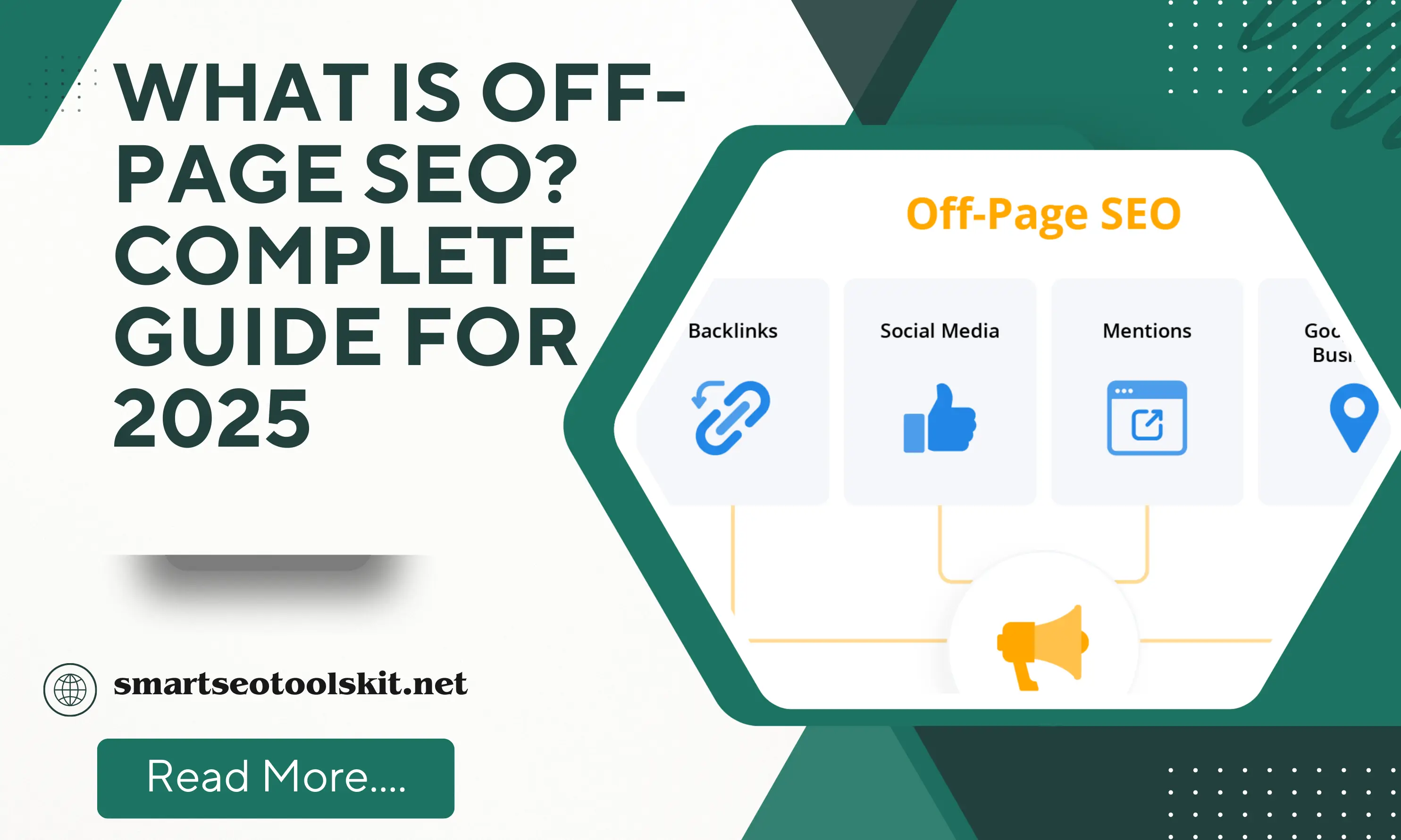
Your site must be fast, mobile-friendly, and secure (HTTPS). Furthermore, you need "votes of confidence" from other websites. These are called Inbound links or Backlinks. When a reputable site links to you, it tells Google that your content is trustworthy.
E-E-A-T: The Secret Sauce for Ranking in 2026
Google has a specific set of guidelines called E-E-A-T, which stands for Experience, Expertise, Authoritativeness, and Trustworthiness.
In the age of AI-generated content, showing that a real human with real experience wrote the article is vital. You should share personal anecdotes, original photos, or case studies to prove you know your stuff. To make sure your site meets these high standards, read our full breakdown on E-E-A-T in 2025: What it is & How to optimize your website for E-E-A-T?.
Difference Between Organic and Inorganic Traffic
While we have focused on organic, it is worth noting what "inorganic" traffic looks like. Inorganic traffic includes anything that is forced or paid.
-
Social Media Ads: Paying to boost a post.
-
Search Ads: Paying for the top spot on Google.
-
Referral Traffic: Traffic from a link on another site (though this can be organic, it’s often categorized separately in analytics).
The main difference is the Intent. People searching on Google are actively looking for an answer. People scrolling on Facebook are looking for entertainment. That is why organic search traffic usually converts into customers at a much higher rate.
Avoiding the Traps: Safe SEO Techniques
When you are desperate for traffic, you might be tempted to take shortcuts. These are known as "Black Hat" techniques. Things like hiding text on a page, buying thousands of low-quality links, or "keyword stuffing" (repeating your keyword 100 times until the text makes no sense).
In 2026, Google’s algorithms are incredibly smart. If you try to trick them, your site will be penalized or removed from search results entirely. Always stick to "White Hat" SEO, which focuses on providing value to the user. Learn the boundaries in our guide on Black Hat vs White Hat SEO Techniques: What’s Safe in 2025?.
How Long Does It Take to See SEO Results?
I’ll be honest with you: SEO is not an overnight game. If you start optimizing today, you shouldn't expect a flood of traffic tomorrow.
Typically, for a brand-new website, it takes 4 to 6 months to start seeing significant organic growth. Why? Because Google needs time to trust you. It needs to see that you post consistently, that other people are linking to you, and that users who visit your site don't immediately hit the "back" button (this is called "pogo-sticking").
Be patient. The results of SEO are cumulative. The work you do this month will pay dividends for months and years to come.
SEO Checklist for 2026 for Beginners
If you are feeling overwhelmed, here is a simple checklist to get your organic traffic moving in the right direction:

-
Set up Google Search Console: This is a free tool that tells you exactly how Google sees your site.
-
Install an SEO Plugin: If you use WordPress, tools like Yoast or RankMath help with the basics.
-
Find Your "Seed" Keywords: Use tools to find what your audience is asking.
-
Write "Better" Content: Don't just copy what is already out there. Add something new.
-
Optimize Your Images: Large images slow down your site. Compress them and add "Alt text."
-
Interlink Your Posts: Link your new posts to your old ones to help Google crawl your site faster.
-
Stay Updated: SEO changes every month. Keep learning! A great place to start is How to Learn SEO from Scratch in 2026 (Free Resources Included).
Final Thoughts: Organic Traffic Is a Marathon
Organic traffic is the most valuable asset a website can have. It represents real people with real problems finding your site as the solution. It builds a bridge of trust between you and your audience that paid ads simply cannot replicate.
Yes, the world of SEO in 2026 is complex. Between AI Overviews and shifting user intent, it can feel like a moving target. But the core principle has never changed: Create content that helps people. If you focus on the user, use the right keywords naturally, and follow the guidelines for E-E-A-T, your organic traffic will grow.
Stop looking for the "magic button" or the "secret hack." There isn't one. There is only high-quality information, technical health, and persistence. Start today by picking one topic your audience cares about and writing the most helpful guide on the internet about it. That is how you win the organic search game.
Frequently Asked Questions (FAQs)
Q1: What is the main difference between organic and paid traffic?
Organic traffic refers to visitors who find your website through unpaid search results, whereas paid traffic comes from clicking on advertisements (like Google Ads). The main difference is cost and longevity: organic traffic is free and builds long-term authority, while paid traffic stops the moment you stop paying for ads.
Q2: How long does it take for SEO to start working in 2026?
Typically, it takes 4 to 6 months to see significant growth in organic traffic. While you might see small wins earlier, search engines need time to crawl your content, evaluate your E-E-A-T (Experience, Expertise, Authoritativeness, and Trustworthiness), and compare your site against competitors before moving you to the first page.
Q3: Can I get organic traffic without using keywords?
It is very difficult. Keywords act as the bridge between a user’s query and your content. Without targeting specific terms, search engines won't know which "conversations" your website belongs in. However, in 2026, you should focus on topical authority—grouping related keywords together—rather than just repeating a single phrase.
Q4: Why is my organic traffic not increasing despite posting regularly?
Your traffic may be stalling because your content doesn't match user intent or lacks original value. If you are just summarizing what’s already on the web, AI overviews will give the answer instead of sending users to your site. To fix this, include unique data, personal case studies, and better internal linking to keep users engaged.
Q5: Are AI overviews (SGE) killing organic traffic?
AI overviews aren't killing traffic, but they are changing it. While "zero-click" searches are rising for simple facts, AI summaries often link to the sources they use. By optimizing for long-tail, complex questions and providing deep expertise, you can actually earn a "cited source" spot within the AI answer, driving highly qualified visitors to your site.
Related Tags :