.png)


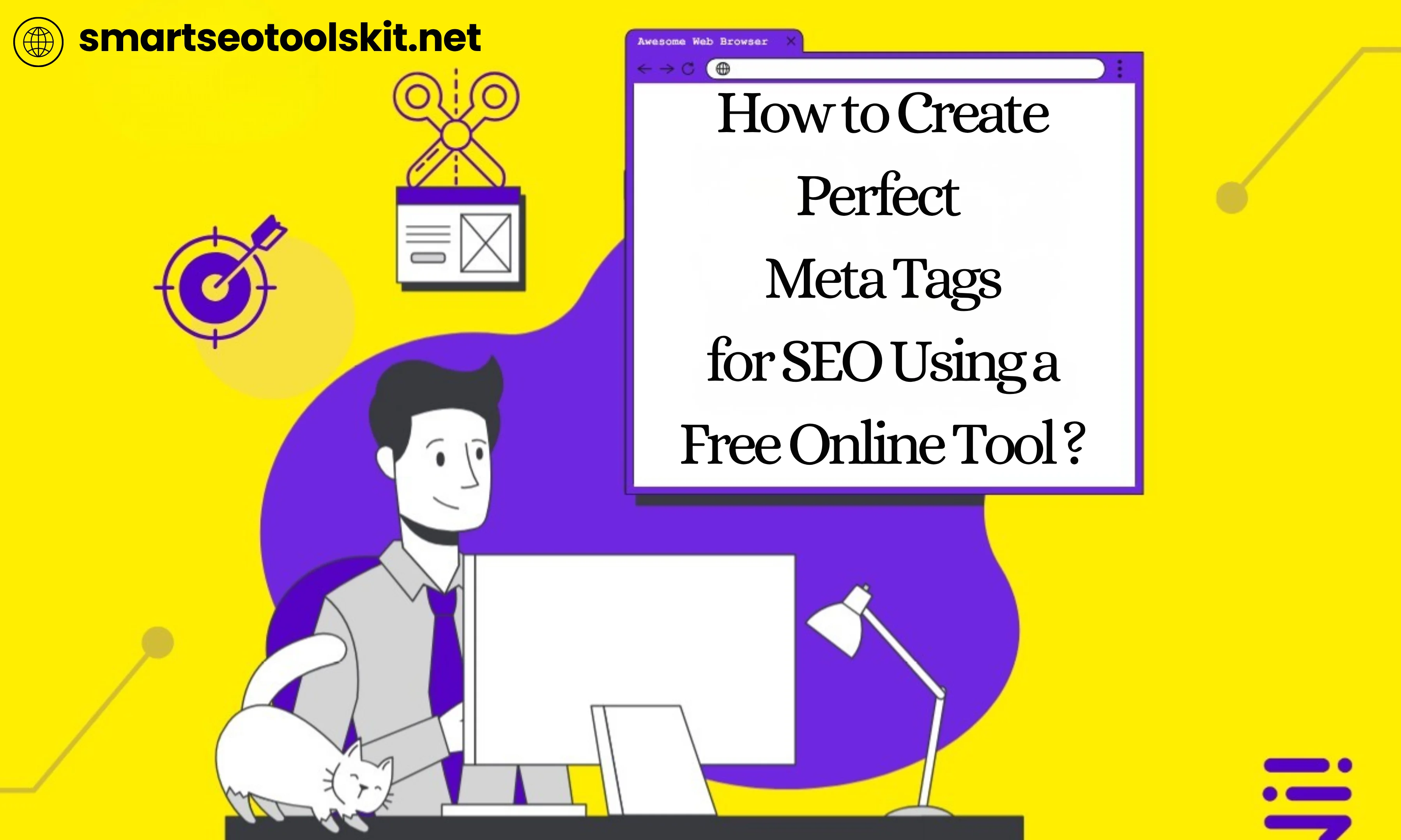


If you’ve ever wondered why some websites instantly grab attention on Google while others go unnoticed, the answer often lies in their meta tags. Meta tags might look like just a few lines of HTML, but they’re the silent heroes behind your page’s visibility, clicks, and SEO performance.
In this guide, we’ll break down everything you need to know about meta tags — what they are, why they matter, how to write effective ones, and how to easily generate them using a free meta tag generator tool.
Whether you manage a blog, run a business site, or handle SEO for clients, this guide will help you create perfect meta descriptions that get real results.
What Are Meta Tags?
Meta tags are short pieces of HTML code placed in the <head> section of a webpage. They don’t appear on the visible part of your website, but search engines read them to understand your page’s content and purpose.
In simple terms, meta tags are like your website’s introduction to Google. They tell the search engine what your page is about, who it’s for, and how it should be displayed in search results.
Here’s what a basic meta tag looks like:
<meta name="description" content="Learn how to write effective meta descriptions that improve SEO and attract more clicks.">
When someone searches for something relevant, Google often uses this meta description to show a short snippet under your title in search results.
Why Meta Tags Matter for SEO
Even though search engines have become smarter, meta tags still play an important role. They influence how your website appears on search results and how users decide whether to click on your link or not.

Here’s why meta tags matter:
-
Improve Click-Through Rate (CTR):
A catchy, relevant description can convince people to click your link instead of others. -
Boost Search Visibility:
Correctly written meta titles and descriptions help search engines understand your page and show it for the right queries. -
Control How Your Page Looks in Search Results:
Instead of letting Google automatically choose random text, you decide what message shows up. -
Enhance Social Sharing:
Meta tags like Open Graph (for Facebook) or Twitter Cards make your shared links look attractive on social media.
Even though Google sometimes rewrites meta descriptions, providing your own optimized one gives you better control and consistency.
Also Read: E-E-A-T in 2025: What it is & How to optimize your website for E-E-A-T?
The Most Important Meta Tags You Should Know
There are many types of meta tags, but not all are equally important. Let’s go through the key ones every website should use.
1. Meta Title Tag
The title tag appears as the blue clickable link in search results. It’s one of the most important ranking factors.
Example:
<title>Free Meta Tag Generator - Create SEO-Friendly Tags</title>
Keep it under 60 characters so it doesn’t get cut off.
2. Meta Description Tag
This tag gives a short summary of your page. While it doesn’t directly affect rankings, it strongly influences clicks.
Example:
<meta name="description" content="Use our free Meta Tag Generator to create perfect meta tags that improve your SEO and help your website rank better.">
Keep it around 150–160 characters and make it persuasive.
3. Meta Keywords Tag
Search engines no longer use this for ranking, but some tools or older CMS platforms still include it.
Example:
<meta name="keywords" content="meta tag generator, SEO, meta description, website optimization">
4. Robots Meta Tag
This tells search engines what to do with your page — whether to index it or not.
Example:
<meta name="robots" content="index, follow">
5. Viewport Meta Tag
This one is crucial for mobile responsiveness.
Example:
<meta name="viewport" content="width=device-width, initial-scale=1.0">
6. Open Graph Tags
These tags make your shared links look good on platforms like Facebook or LinkedIn.
Example:
<meta property="og:title" content="Ultimate Guide to Meta Tag Generators">
<meta property="og:description" content="Learn how to create perfect meta descriptions using a free online tool.">
<meta property="og:image" content="https://example.com/image.jpg">
7. Twitter Card Tags
These work similarly for Twitter sharing.
Example:
<meta name="twitter:card" content="summary_large_image">
<meta name="twitter:title" content="Ultimate Guide to Meta Tag Generators">
Also Read: AI-Generated Content & SEO: Google 2025 Rules and How to Rank Better?
How to Write Perfect Meta Titles and Descriptions
Writing meta tags isn’t just about adding keywords — it’s about attracting attention and inspiring clicks.
Here are some practical tips:

For Meta Titles:
-
Include your main keyword naturally.
-
Keep it under 60 characters.
-
Add your brand name if relevant.
-
Make it clear and direct (avoid confusing terms).
-
Write for users, not just search engines.
Example:Free Meta Tag Generator for Better SEO | Smart SEO Tools Kit
For Meta Descriptions:
-
Aim for 150–160 characters.
-
Start with action words like “Learn,” “Discover,” or “Create.”
-
Mention your main keyword once.
-
Add a benefit or reason to click.
-
Match the tone of your page content.
Example:Generate perfect SEO meta tags in seconds with our free online tool. Improve your website ranking and attract more visitors effortlessly.
The goal is to make it sound like a mini advertisement for your page. When people read it, they should instantly understand what your page offers and why it’s valuable.
What Is a Meta Tag Generator Tool?
A Meta Tag Generator is an online tool that helps you automatically create the right meta tags for your web pages. Instead of writing each tag manually, you just enter basic details like title, description, and keywords — the tool generates clean HTML code for you.
This saves time and ensures you never miss an important tag.
If you want to try one, use the Free Meta Tag Generator from Smart SEO Tools Kit:
👉 https://smartseotoolskit.net/seo-tools/meta-tag-generator
It’s simple, fast, and doesn’t require any coding skills.
How to Use the Free Meta Tag Generator (Step-by-Step)
Let’s go through the process using the Smart SEO Tools Kit generator as an example.
Step 1: Open the Tool
Visit the official free tool here:
https://smartseotoolskit.net/seo-tools/meta-tag-generator
Step 2: Enter Basic Information
You’ll see fields for:
-
Page Title
-
Meta Description
-
Meta Keywords
-
Author Name
-
Robots Directive
-
Viewport Setting
-
Open Graph and Twitter Card options
Fill these based on your page content.
Step 3: Generate Tags
Once you enter the details, click the Generate Meta Tags button.
The tool will instantly produce clean HTML meta tag code.
Step 4: Copy and Paste
Copy the generated code and paste it into the <head> section of your webpage.
That’s it — your meta tags are ready and optimized.
Best Practices for Meta Tag Optimization
Using a generator makes the process easy, but good SEO requires smart optimization. Keep these best practices in mind:
-
Make Every Page Unique:
Each page should have its own title and description. Don’t reuse the same tags. -
Keep It Natural:
Avoid keyword stuffing. Write as if you’re speaking to a person, not a search engine. -
Match the Content:
The description should reflect what’s actually on the page. -
Test and Adjust:
Use tools like Google Search Console to check how your pages perform. If CTR is low, tweak your description. -
Use Branding Wisely:
Add your site or brand name at the end of your title if space allows. -
Monitor Mobile Snippets:
Meta titles and descriptions can appear differently on mobile, so keep them concise. -
Stay Updated:
Google occasionally changes how it displays snippets, so revisit your tags regularly.
Also Read: E-E-A-T in 2025: What it is & How to optimize your website for E-E-A-T?
Common Mistakes to Avoid
Even experienced website owners make simple meta tag mistakes. Avoid these to get the best results:
-
Duplicate Meta Tags:
Don’t use the same title or description on multiple pages. -
Too Long or Too Short:
Overly long titles get cut off, and very short ones may look incomplete. -
Missing Tags:
Always include both title and description tags, even if you think Google will auto-generate them. -
Keyword Overload:
Repeating your keyword multiple times can make your text look spammy. -
Outdated Information:
If your description includes dates or offers, update them regularly. -
Forgetting Social Meta Tags:
If your content is shared often, add Open Graph and Twitter tags for better presentation.
How Meta Tags Affect User Experience
While meta tags work behind the scenes, their impact on users is very real. The title and description you write decide whether someone clicks your link or scrolls past it.
Imagine searching for “best SEO tools” and seeing these two results:
-
“SEO Tools – Improve Rankings and Boost Traffic Fast”
-
“SEO Tools | Home”
Which one would you click?
Exactly — the first one. That’s the power of a well-written meta tag.
Meta tags set expectations before a visitor even lands on your site. If they match what users are looking for, you get higher engagement and lower bounce rates.
Why Use an Online Meta Tag Generator Instead of Manual Coding
If you’re comfortable with HTML, you can write meta tags manually. But online tools like Smart SEO Tools Kit Meta Tag Generator offer key advantages:

-
Saves Time: You don’t need to remember tag syntax.
-
Reduces Errors: It creates correct, validated code automatically.
-
Covers All Tag Types: Includes title, description, keywords, robots, Open Graph, and Twitter tags.
-
Beginner Friendly: Anyone can use it without technical knowledge.
-
Free and Accessible: You can generate unlimited tags anytime.
This makes it perfect for bloggers, digital marketers, and web developers managing multiple sites.
When to Update Your Meta Tags
SEO isn’t a one-time job. As your site evolves, you should update your meta tags too. Here’s when you should review or rewrite them:
-
You’ve changed your content or page purpose
-
Your click-through rate has dropped
-
You’ve rebranded or changed your tone
-
Search intent around your keywords has shifted
-
You’ve added new services, products, or offers
Regularly updating your meta tags keeps your pages fresh and relevant to current searches.
Also Read: How Search Engines Work: Crawling, Indexing & Ranking
Final Conclusion - How to Write Perfect Meta Titles and Meta Descriptions
Meta tags may look small, but they play a big role in how your website performs on search engines. They help search engines understand your page and influence users to click your link.
If you want to save time and get professional-quality tags instantly, use the Free Meta Tag Generator from Smart SEO Tools Kit:
👉 https://smartseotoolskit.net/seo-tools/meta-tag-generator
Spend a few minutes optimizing your meta titles and descriptions — it’s one of the simplest ways to boost your site’s visibility, increase traffic, and make your pages stand out in search results.
Frequently Asked Questions (FAQs)
Q1: What is a Meta Tag Generator used for?
A meta tag generator is a free online tool that helps you create SEO-friendly meta titles and descriptions for your website. It saves time by automatically generating clean HTML code that search engines read to understand your page’s content and purpose.
Q2: How do meta tags help with SEO?
Meta tags tell search engines what your webpage is about. Optimized titles and descriptions improve click-through rates, make your listing look professional, and help your site appear for the right keywords. They also improve how your content is displayed on social media platforms.
Q3: What should I include in a meta description?
A meta description should briefly explain your page content in about 150–160 characters. Use your main keyword naturally, describe the benefit of your page, and include a small call to action like “Learn more,” “Try free,” or “Discover now.”
Q4: Can I create meta tags without coding?
Yes, you can easily create meta tags without coding by using free tools like Smart SEO Tools Kit Meta Tag Generator. Just enter your page title, description, and keywords — the tool instantly generates ready-to-use HTML code for your website.
Q5: How often should I update my meta tags?
You should review and update your meta tags whenever you change your page content, notice a drop in traffic, or re-target new keywords. Regular updates keep your pages relevant to search intent and help maintain good visibility on Google.
Related Tags :